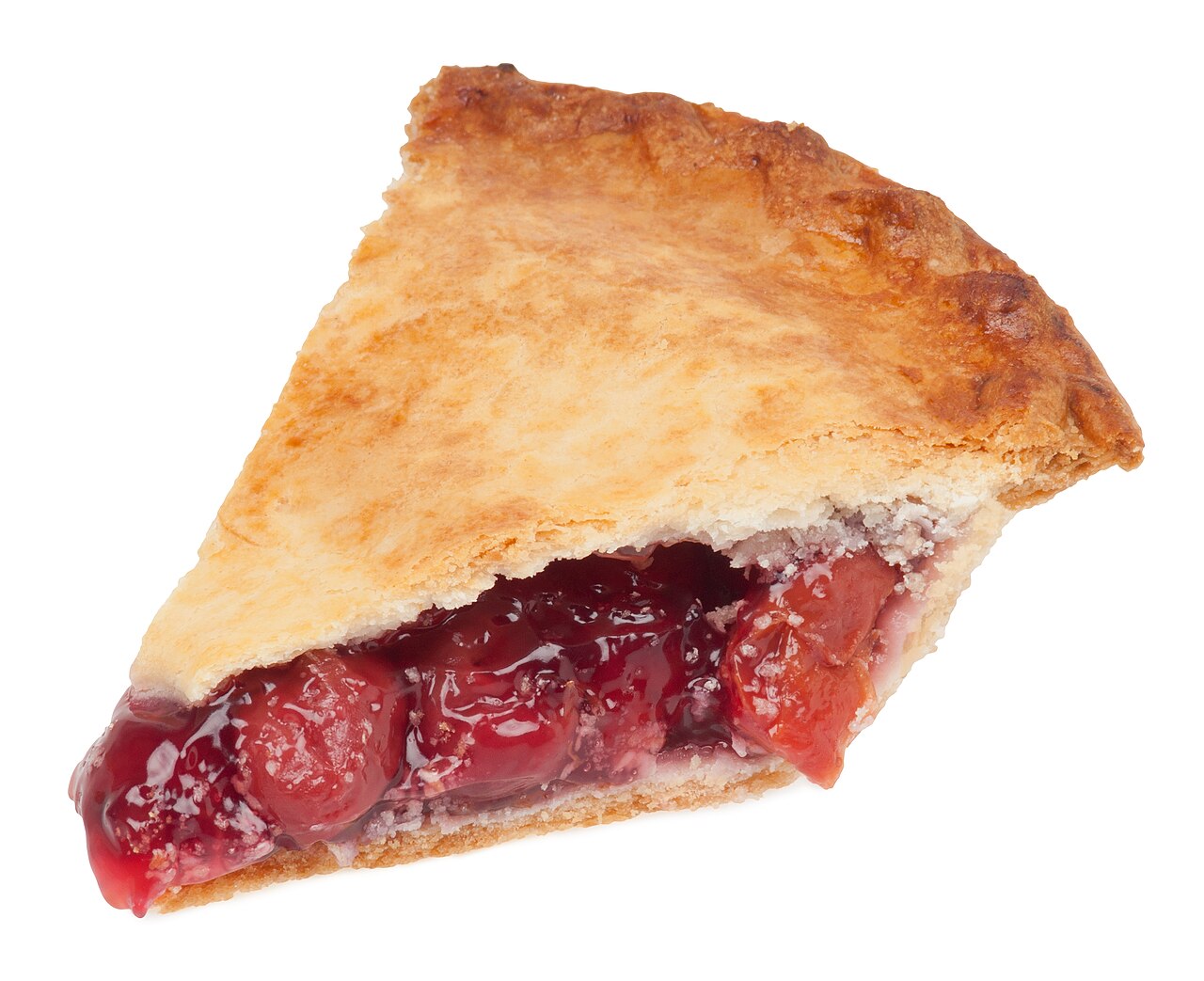
Sour vs. Sweet Cherries: Choosing the Best for Homemade Pie Filling
There's nothing quite like a slice of warm, comforting cherry pie, its glistening crimson filling bursting with vibrant flavor. The aroma alone can transport you to sunny summer days, family gatherings, or cozy evenings by the fire. But behind every perfect pie lies a critical decision that many home bakers overlook: the type of cherry. While both sweet and sour cherries offer their own delightful characteristics, choosing the right one for your homemade cherry pie filling is the secret to achieving that quintessential, unforgettable taste.
So, should you reach for the plump, juicy Bings or the bright, tart Montmorencies? Let's dive into the great cherry debate and discover why one variety consistently outshines the other for pie perfection.
The Great Cherry Debate: Sweet vs. Sour for Your Pie
When you picture a cherry, you likely think of the dark, glossy sweet varieties often found fresh in grocery stores – Bings, Rainiers, or Chelans. These are fantastic for snacking straight from the bowl, adding to fruit salads, or garnishing desserts. Their high sugar content and mild flavor make them undeniably delicious for fresh eating.
Then there are the sour cherries, also known as tart cherries or pie cherries. These are typically smaller, brighter red, and boast a much more assertive, tangy flavor profile. Common varieties include Montmorency and Balaton. While you might not find yourself munching on them raw, these unsung heroes are the backbone of many beloved baked goods, especially when it comes to crafting the ideal homemade cherry pie filling.
Why Sour Cherries Reign Supreme for Pie Filling
While a fresh sweet cherry is a treat, its charm often fades when subjected to the heat of the oven. Here's why sour cherries are the undisputed champions for any baked cherry creation:
- Intense Flavor Retention: Sweet cherries, despite their initial deliciousness, tend to lose much of their nuanced flavor during the baking process. Their delicate notes can simply "melt away," leaving behind a somewhat bland, one-dimensional sweetness. Sour cherries, on the other hand, possess a concentrated, robust "cherry flavor" that actually intensifies with heat, creating a more profound and satisfying taste experience in your pie.
- Perfect Sweet-Tart Balance: The inherent tartness of sour cherries is a crucial component in balancing the sugar added to cherry pie filling. This creates that desirable contrast of sweet and tangy notes that defines a truly great cherry pie. Without this tart counterpoint, a sweet cherry pie filling can become cloyingly sweet, lacking depth and zest.
- Superior Texture: Sour cherries generally hold their shape better during cooking and baking. Their firmer flesh is less prone to dissolving into a pulpy jam, allowing for distinct pieces of fruit in your finished pie.
- Climate Resilience: For many home growers in colder climates (like USDA Zone 4), sour cherries are often the only viable option. Varieties like Montmorency are incredibly hardy, thriving where delicate sweet cherries wouldn't survive, making them a readily available and sustainable choice for local bakers.
Mastering Your Homemade Cherry Pie Filling: From Orchard to Pantry
One of the biggest challenges with cherries, regardless of variety, is their fleeting season and perishability. Fresh cherries typically last only about a week after harvest before they begin to spoil. This short window can make it difficult to enjoy them year-round, especially if you have an abundance from a local orchard or your own backyard.
This is where the magic of canning cherry pie filling comes in. By preserving your sour cherries, you can extend their enjoyment indefinitely, ensuring you always have a jar of homemade goodness ready for impromptu turnovers, pies, crumbles, or even just a spoonful over ice cream. The process begins with pitting all your cherries—a task made much easier with a dedicated cherry pitter—but the next step might surprise you.
The Freezing Secret: Perfect Cherry Pie Filling Without Jamming
It might seem counter-intuitive to freeze fresh cherries destined for canning, but this crucial step is a game-changer, especially for sour cherries. If you were to cook fresh, un-frozen sour cherries directly into a pie filling, they would quickly break down, dissolving into a mushy, jam-like consistency. While delicious, that's not the texture we're aiming for in a pie.
Here's how freezing works its magic:
- Cell Wall Rupture: When cherries freeze, the water inside their cells expands, causing the cell walls to rupture.
- Controlled Juice Release: Upon thawing, these ruptured cells allow the cherries to release a significant amount of their natural juices *before* cooking. This pre-softening enables the cherries to cook more evenly in the pie filling without completely disintegrating, maintaining better structural integrity and that desirable "bite." This technique is so effective that we've dedicated an entire guide to it: The Freezing Secret: Perfect Cherry Pie Filling Without Jamming.
- Convenience & Flexibility: Beyond the textural benefits, freezing offers immense practical advantages. You can harvest your cherries, pit them, and then freeze them immediately after picking. This allows you to process and can your pie filling at a later date when the weather is cooler, or your schedule is less hectic, effectively extending your "fresh" cherry processing window for months.
To implement this, simply pit your fresh sour cherries, spread them in a single layer on a baking sheet, freeze until solid, and then transfer them to freezer-safe bags or containers until you're ready to make your filling.
Harnessing the Juices: A No-Waste Approach
When you thaw your frozen cherries, you'll notice a substantial amount of vibrant red juice has been released. Do NOT let this liquid gold go to waste! This intensely flavored cherry juice is an essential component of your homemade cherry pie filling. Typically, about half of this juice (around 4 cups for a standard batch) will be thickened and incorporated directly into the filling, concentrating that wonderful cherry flavor.
But what about the rest? The remaining cherry juice is incredibly versatile and too precious to discard:
- Refreshing Summer Drinks: Use it as a base for homemade cherryades, spritzers, or sparkling water mixers.
- Pancake & Waffle Syrup: Reduce it slightly on the stovetop with a touch of sugar for an exquisite homemade cherry syrup.
- Cocktail Enhancer: A splash of concentrated cherry juice can elevate your favorite cocktails.
- Savory Glazes: Experiment with incorporating it into glazes for roasted meats like ham or duck.
- Frozen Treats: Freeze it into ice cubes for future drinks or blend it into a simple sorbet base.
Extra cherry juice can be stored in the refrigerator for several weeks or frozen for up to a year, ensuring no drop of that delicious cherry essence goes unused.
Conclusion
When the craving for a truly exceptional cherry pie strikes, the choice is clear: sour cherries are the undeniable champions for homemade pie filling. Their robust flavor, ability to retain texture, and perfect sweet-tart balance create a pie that is simply unmatched. By understanding their unique qualities and employing smart preservation techniques like freezing before canning, you can transform a seasonal fruit into a year-round pantry staple. Embrace the tart, master the art of canning, and savor the unparalleled satisfaction of serving a pie filling made with your own hands, ready to become a cherished family favorite for years to come.
